Daily Tarot Reading: How to Build a Personal Reflection Practice
Five minutes and one card a day: how to build a simple Tarot habit that sharpens your intuition and helps you start each day with intention.
A daily Tarot practice is one of the simplest and most rewarding ways to use the cards. It takes a few minutes, asks for a single card, and gives you a moment of intention before the day begins. Over weeks, it also becomes the best way to learn Tarot: you meet each card in the context of real days, which makes its meaning stick far better than any book.
Why a daily card works
- It is small enough to keep up. One card, five minutes.
- It builds self-awareness. Asking "what deserves my attention today?" is a useful habit on its own.
- It teaches the deck. Seeing how a card plays out in a real day is the fastest way to understand it.
- It is calming. A short ritual can mark the shift into the day with a sense of focus.
A simple morning routine
- Pause. Take three slow breaths. Think briefly about what the day holds.
- Ask one question. Keep it the same every day so you can compare: "What should I focus on today?" or "What energy will help me today?"
- Draw one card. Look at the image before reading any meaning.
- Note your first impression. One sentence: what do you see, and how does it feel?
- Read the traditional meaning. Notice where it agrees with or adds to your impression.
- Set an intention. Turn the card into one concrete aim for the day.
For example, if you draw the Four of Swords on a busy morning, your intention might be: "Take a real lunch break and do not check emails during it." If you draw the Page of Pentacles: "Spend twenty minutes learning something for the project I keep postponing."
The evening check-in
The magic of a daily practice is in closing the loop. In the evening, spend two minutes answering:
- Where did today's card show up?
- Did I follow my intention? What happened?
- Does the card mean anything different to me now than it did this morning?
Keep the notes in a simple journal or a note on your phone. After a month you will have your own personal guide to the cards, written from experience.
What to do when you draw a "difficult" card
Drawing the Ten of Swords or The Tower at breakfast can feel alarming. Remember that a daily card describes an energy to be aware of, not an event that will happen. A difficult card is often a helpful warning:
- Five of Wands: conflict is likely – choose your battles today.
- Nine of Swords: worry may be louder than reality; check the facts before reacting.
- The Tower: something may not go to plan – build in flexibility.
Ask: "If this card is a friendly warning, what is it warning me about, and what can I do?"
Variations to keep it interesting
- Themed weeks: one week focus on work, the next on relationships, the next on wellbeing.
- Monthly card: on the first of the month, draw a card for the month's theme and see how your daily cards relate to it.
- Gratitude card: on Sundays, draw a card for "what I am grateful for this week".
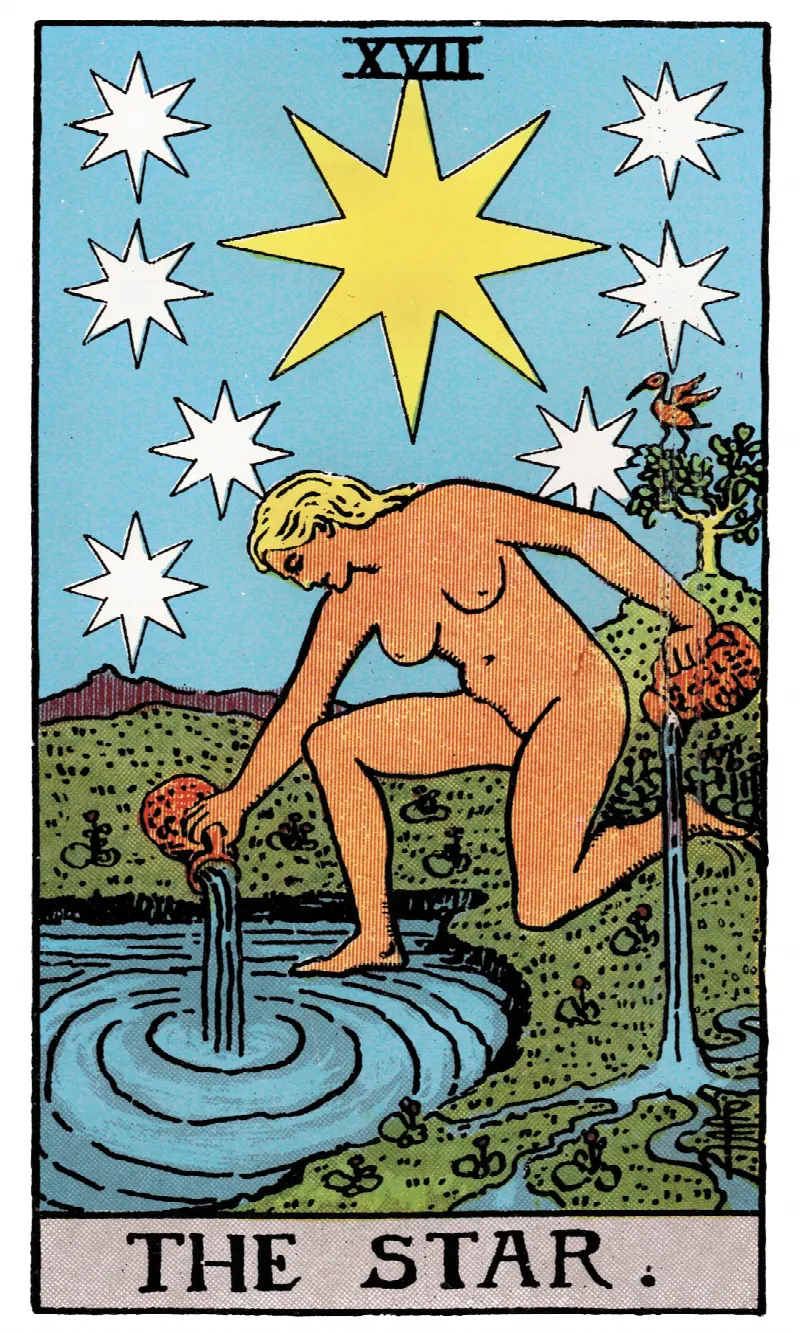
- Learning focus: when you draw a card you know little about, read one full guide to it – start with The Star or The Fool.
Keeping the habit going
- Attach it to something you already do, such as making your morning coffee.
- Keep it short. A daily practice that takes 30 minutes rarely lasts.
- Do not draw again if you dislike the card. The point is reflection, not a perfect forecast.
- Miss a day without guilt. A practice is a support, not a test.
Daily readings online
You can practise with a physical deck or online. On TarotReading4U, the daily one-card reading uses the question "What should I focus on today?". Describe what your day holds – a meeting, a conversation, a mood – and you will receive one card with a short, practical interpretation for the day ahead.
New to reading cards yourself? Our beginner's guide shows how to interpret any card using its suit, number and image.
Tarot is a tool for reflection and is not a substitute for professional medical, legal, financial or mental health advice.